


Learn what restaurant pest closures can teach Florida homeowners in our video:
What Restaurant Closures Reveal About Pest Problems
Restaurant closures due to pest problems are a common situation in south Florida, one that we have highlighted before in past blog posts. Indeed as recently as April 3, 2026, recent inspections shut down several Palm Beach County restaurants due to pest activity. While it’s easy to think “that would never happen in MY home”, the reality is that the same underlying conditions that lead to restaurant infestations can happen in residential homes as well. The difference isn’t just about cleanliness, but about prevention.
The Common Thread: How Pest Problems Start (And Grow!)
The local news at Local 10 has a recurring “Dirty Dining” segment that features some of the most egregious cases of restaurant infestations and closures in south Florida. Across all the different restaurant citations and shutdowns, a few key themes appear again and again:
- Pests hidden in unseen or less visible areas
- Infestations growing un-noticed
- Food + moisture + clutter combine to drive pest activity
The truth of the matter is that pest problems almost never start big. They all begin small and build over time. And there are plenty of places in residential homes that mirror their counterparts in restaurants.
Instead of large appliance banks, homes have refrigerators for pests to hide behind. Instead of dedicated storage rooms, homes have pantries, closets, cabinets, and attics. Instead of floor drains, homes have sinks, gutters and drainage lines. Without the proper prevention-first mentality, a lot of the underlying conditions that contribute to pest infestations in restaurants can easily appear in homes as well.
What Restaurants Get Wrong (And Homeowners Too!)
When it comes to pest infestations, it’s not always about the particulars, but rather the general patterns. Here’s a few common patterns that these closed restaurants all tend to demonstrate and that carry over to homeowners as well.
Poor Sanitation Habits:
- Food particles and residue build up in less visible areas
- Dedicated cleaning cycles becomes less frequent or less comprehensive
Improper Food Storage:
- Open or unsealed containers of food attract pests
- Pantries, bins and storage areas left un-monitored or un-treated
- Pet food areas left un-monitored
No Routine Inspections:
- Small problems go un-noticed
- Smaller problems grow until they become more severe
Moisture Issues:
- Pests need water in addition to food sources
- Leaks, condensation, standing water all drive pest activity
- Rodents, roaches and ants most drawn to moisture
While the overall layout and daily schedule of a restaurant is quite different from a residential home, both environments can lead to the same underlying patterns that more often than not lead to pest problems. The pest pressures in south Florida may shift, but are always ongoing, so without due diligence, it’s simply a matter of time before problems appear.
What Experts Have To Say About Prevention
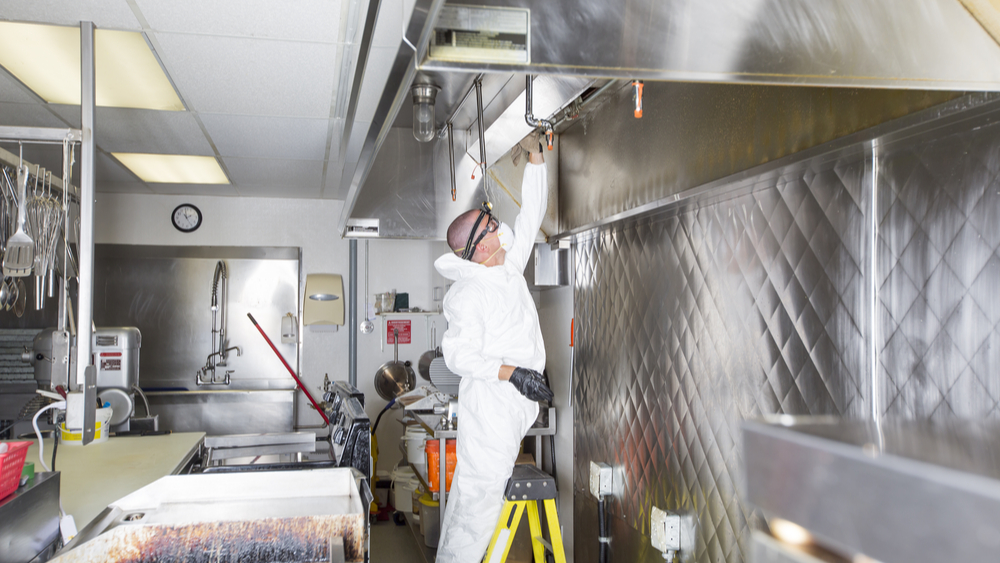
Restaurants need to follow strict pest prevention protocols for a reason. Remember, prevention is always more effective (and less costly!) than a purely reactive approach. At the federal level, the FDA Food Code outlines strict pest prevention standards. More locally, the Florida Health Department set food safety regulations that require pest prevention measures. Within the restaurant industry itself, ServSafe training emphasizes sanitation and pest prevention.
Both public and private sector bodies recognize the importance of ongoing pest prevention. And the same principles used in the restaurant industry can apply at home, just on a smaller scale.
5 Simple Prevention Habits Homeowners Can Start Today
Here are five quick “wins” for any homeowner looking to become more proactive when it comes to pest prevention:
- 1. Keep food sealed and stored properly: Use airtight containers to store food within the home.
- 2. Reduce excessive moisture sources: Address leaks, clogged gutters and/or drains, and remove standing water in and around the home.
- 3. Clean hidden areas regularly: Roll up the sleeves and clean behind the refrigerator and other appliances, underneath sinks, and in the more hidden corners of the attic, basement and/or garage.
- 4. Manage trash and clutter: Take the trash out regularly, including daily during peak pest periods. Secure the lids to trash cans and make sure they are a few feet away from the foundation of the home.
- 5. Inspect the home routinely: Look out for early signs of pest activity including droppings, unusual smells, and unexpected sounds from within the home.
Pest prevention isn’t about being perfect, it’s about consistency. Small steps each day make much more of a difference than bold and drastic measures once it’s already too late.
When Even Prevention Isn’t Enough
Of course, with the levels of pest pressures that south Florida faces, sometimes even the most proactive measures aren’t foolproof. The climate, landscaping and the neighboring properties all play their role in pest activity. The key is having a plan in place before the problem escalates even further. Here at Nozzle Nolen, we have decades of experience offering homeowners and business pest control services all over southeast Florida. Our commercial pest control programs are used by many different restaurants and other businesses in the local areas.
Remember, most pest problems – whether at home or in restaurants – don’t appear overnight. A few simple habits can truly make a difference, before minor issues grow into larger ones.