


Why Spring Yard Prep Matters in South Florida
South Florida’s rainy season starts to ramp up in late Spring, bringing warmer temperatures, higher humidity levels, and frequent (but often unpredictable) storms. While we might enjoy the newly blooming flowers and the return of warmer weather, this time of year also kicks off the prime season for several different types of pests. Moist soil, dense vegetation growth, and standing pools of water combine to create ideal breeding conditions for some pests and drive others to seek out shelter, including local homes and businesses.
While their long-term historical accuracy is only about 50% to 51% and you should take such predictions with a grain of salt, the Farmers Almanac is calling for a wet spring in many parts of the country. In addition, the NOAA forecasts are trending towards above-normal rain for southeast Florida. A few proactive steps in your yard can greatly reduce the risk and pressures posed by the local pest populations this time of year. In this blog post, we’ll give you 10 helpful tips for steps you can take to reduce pest problems.
Why Rainy Weather Triggers Pest Problems
The reason rainy seasons in particular contribute to local pest problems is because they impact the breeding behaviors of some pests and trigger innate survival instincts in others. University of Florida researchers note that heavy rain, high humidity, and warm temperatures lead to population booms in pests like mosquitoes, gnats, and ticks because these conditions provide standing water and moist soil. For mosquitos in particular, research suggests that more rain events means more mosquitos.
Recently warmed and now very moist soil and mulch also attract ants and roaches. Subterranean termites release their breeding “swarmer” castes around this time of year, often after rain events. Finally, rodents seek out drier, warmer and safer places to be, infiltrating indoors into homes and businesses. That’s a wide range of pests to worry about! Luckily, a few of the same proactive steps now can help address the underlying causes of problems for that range of pests.
Meet Your Wet Season “Neighbors”
Some of the most familiar pests from April to May in south Florida include:
- Mosquitoes
- Ants (Ghost ants, carpenter ants, bigheaded ants, sugar ants, etc)
- Cockroaches and palmetto bugs
- Subterranean termites (swarmers or alates)
- Roof rats
These are of course just the most common ones you might expect to see this year. To best reduce the pressures from pest populations, take as many proactive steps from the upcoming list.
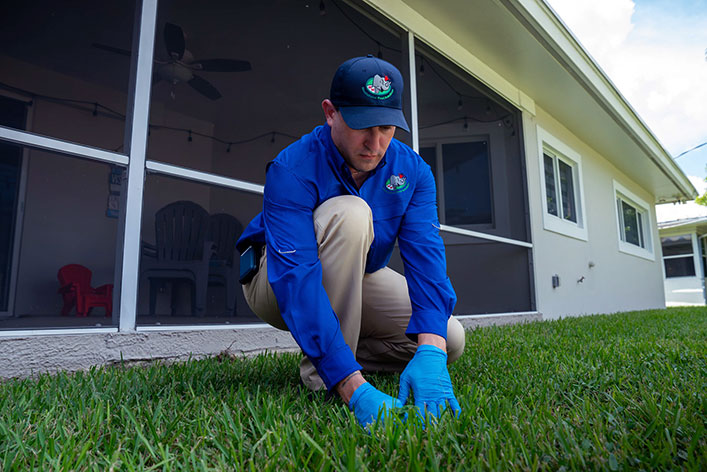
The Southeast Florida 10 Item Spring Yard Checklist
- Dump standing water weekly: Mosquitos can breed with even small amounts of standing water. Find and tip over any place with standing water, like bird baths, plant saucers, play-pens, bins, tarps, and outdoor pet bowls.
- Clean the gutters: Leaves, sticks and debris clog gutters and allow water to pool and collect rather than properly drain away. Clean out the gutters to ensure proper drainage.
- Trim dense shrubs and hedges: Overgrown landscaping helps “trap” humidity, which attracts and provides cover for ants, roaches, and other insects. Trimming the landscaping increases air flow, which lowers humidity levels.
- Store away common water “catchers”: Look to flip over, seal, or temporarily put away common outdoor items that easily collect water: wheelbarrows, lawn equipment, plant pots, storage bins, kids toys, and anything else. If it’s metal or plastic, it can easily collect water.
- Fix yard drainage: Water flows where gravity sends it. Low spots in the yard tend to collect the largest amounts of water over time. Look to improve the grading or implement a specific draining solution for these particular spots.
- Seal the home perimeter: Pests infiltrate the home through even the smallest of gaps and cracks in the home exterior. Make it a seasonal habit to survey and seal the perimeter of the home in places like door sweeps, window and door frames, soffits and ridgelines, and utility line entrances. If light can shine through it, an insect can easily move through it.
- Manage the mulch: Termites, ants, and roaches love mulch. Make sure mulch is raked back at least 12” to 18” from the foundation of your home.
- Prune and trim back tree branches near home: Tree branches that extend over the roofline of your home act as pest “highways” or bridges, particularly for the pesky roof rat. Prune back tree branches to prevent pest infiltration, as well as reduce the amount of leaves that collect in gutters (see tip # 2).
- Secure garbage bins and compost piles: Garbage bins and compost piles both contain edible food materials for a wide range of pests and can attract pests to begin with. If they pool with water too, it makes the situation even worse. Make sure they are properly sealed and secured.
- Adjust irrigation timers: You don’t want to overwater this time of year. It creates soggy soil and can contribute to standing pools of water. Adjust your watering schedule and frequency and scale back accordingly. You can always bump it back up when the rainy season has passed and its peak summer temperatures.
Once the original colony buds, the overall impacted area only grows in size. As such, these are particularly hardy ants and can be quite difficult to permanently remove from the home.
When Spring Prep Still Isn’t Enough
Of course, sometimes even the most diligent spring preparations won’t guarantee an entirely pest-free home or yard. This is where professional mosquito control services can provide peace of mind to local homeowners. You can get ready for the upcoming springtime wet weather with a professional residential pest control plan for your home or commercial pest control service plan for your business.