


When “It’s Just Ants” Isn’t So Simple
It’s a familiar enough scene for many south Florida homeowners: you’re in the kitchen, maybe making coffee, and you spot a few large ants on the countertop. You think “it’s just ants”, wipe them off, and move on. While most ants are opportunistic feeders but generally harmless nuisances, some ants can signal bigger problems. Carpenter ants in particular can indicate hidden moisture issues or potential structural damage to the home. Whereas typical sugar ants are just looking for a snack, carpenter ants are looking for a new home. The biggest challenge? Carpenter ants are often confused with other ants or even different species, like termites. In this blog post, we’ll review some of the key differences between carpenter ants and similar looking pests, as well as actionable tips for handling them in your home.
What Are Carpenter Ants (And Why Are They So Different?)
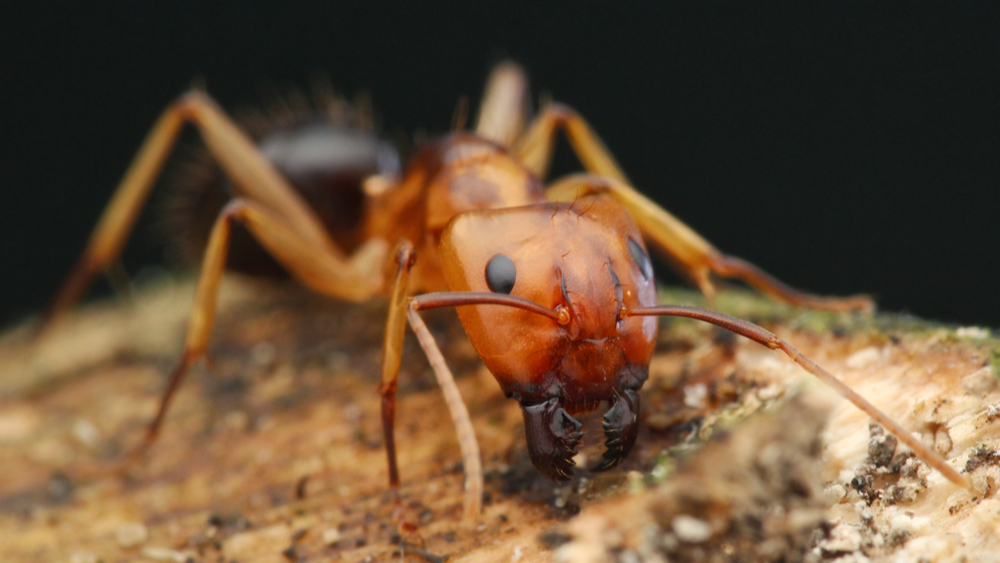
Carpenter ants are part of the genus Camponotus. According to University of Florida researchers, Florida is home to several species within the carpenter ant complex, including Camponotus floridanus and Camponotus tortuganus. Carpenter ants are larger sized ants, typically a ¼ inch in size or larger, with a blackish to reddish color. A common misconception is that they eat wood (like termites do), but in reality they “excavate” space within wood to make a space for nesting. Due to the climate and moisture levels, they are a very common insect in Florida. And if recent trends continue, Florida might be bracing for a surge in increased pest activity this year, including carpenter ants.
Carpenter Ants vs Common “Nuisance” Ants
Most of the types of ants commonly found in South Florida that homeowners encounter are “nuisance” ants such as sugar ants or ghost ants. As mentioned earlier, these ants are opportunistic feeders, and their presence indoors almost always suggests a readily available food source. Carpenter ants are different because their behaviors are driven less by food and more by moisture and shelter. They really prefer damp wood, and the humid environment in Florida provides them ample access to it. When they find the right home, they will create hidden nests deep within structures like homes and businesses.
Where They Hide: Nesting Habits and What Attracts Them
Carpenter ants are known to build hidden nests within a few common parts of the home. This includes places like:
- Wall voids
- Attics
- Soffits
- Roof eaves
- Window and door frames
- Porches
They are attracted to moisture in general, so it’s also not uncommon for them to take up home within the bathroom, kitchen, or even basement areas of the home as well – places with plumbing lines that can leak. Besides moisture, they are also drawn to decaying or rotting wood. Colonies will typically originate outdoors but will look to expand their colony size indoors. The presence of carpenter ants within the home often indicates larger issues..
Warning Signs: When “Just Ants” Might Signal A Bigger Problem
Here are some of the most common signs that ants in your home might not just be a nuisance problem anymore:
- Sightings of larger ants than typical ants
- Winged ants indoors (especially around windows)
- Rustling or scraping noises inside the walls
- Activity at night
- Small piles of wood shavings (frass)
The frass piles are often a “smoking gun” when it comes to evidence of compromised wood elements within the home. This is the raw material excavated out of the wood as the carpenter ants dig out their nesting space.
Warning Signs: When “Just Ants” Might Signal A Bigger Problem
Carpenter ants are often confused with termites for a few reasons. For starters, both will swarm in larger numbers and appear around light sources. They both also have wings and are associated with wood destruction in and around the home. The key difference between them is that termites eat the wood as a food source, while carpenter ants dig out wood to create nesting spaces. Here’s a helpful blog post we published on how to tell termites vs ants apart.
Why Do It Yourself (DIY) Treatments for Carpenter Ants Often Fall Short
A key reason that DIY approaches like non-commercial strength sprays fail to solve the problem is that sprays only kill the visible ants. They don’t have any impact on the nest itself or the underlying colony, which could be in the walls, in the attic, or even somewhere nearby outside. In some cases, sprays or bait traps can do just enough damage to cause “budding”, which is when a compromised colony splits into two nests. Over time, the size of the problem only grows. Without locating the actual colony, the problem will persist as long as there are unaddressed moisture issues.
How To Get Rid Of Carpenter Ants (And When To Call A Pro)
The most effective strategy for dealing with carpenter ants will have at least 3 core components:
- Location of the colony
- Targeted local treatment
- Moisture control
Taken together, these steps will most effectively get rid of carpenter ants in the home. But sometimes even the most diligent homeowner can fail in their efforts to eradicate them. If DIY efforts have failed and there are increased sightings of larger ants, winged ants near windows, or frass piles – then it might be time to contact a professional pest control company.
Here at Nozzle Nolen, we have decades of experience with local Florida insects and pests, including carpenter ants. This video from several years ago shows our long-time local expertise in the wide range of Florida ants. We are proud to offer southeast Florida homeowners carpenter ant control and prevention options that they can rely on. If you suspect you have a carpenter ant problem or having trouble telling the difference between a carpenter ant and a termite, you can always schedule a free initial inspection and consultation