


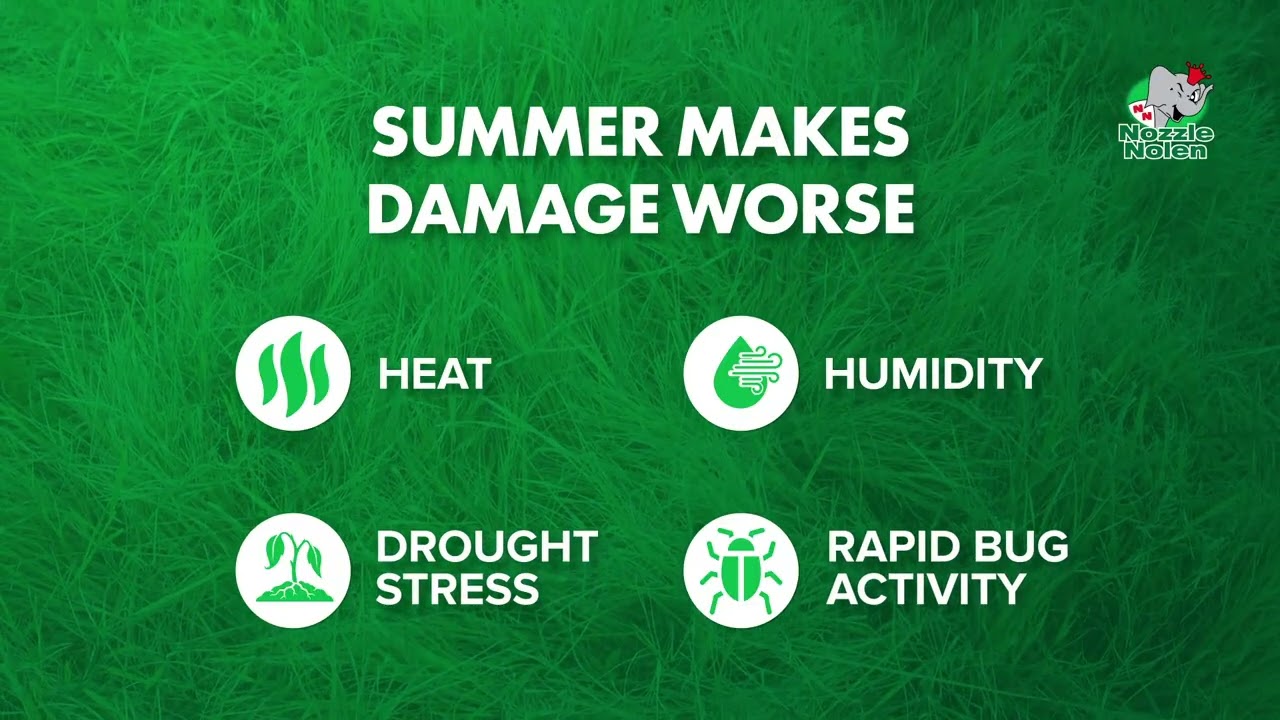
Learn how chinch bugs can damage heat stressed Florida lawns in our video:
Small Bugs, Big Lawn Problems
Florida homeowners take a lot of pride in their lawns. When lawns are perfectly healthy and maintained, some of the more common grass species (such as St. Augustine grass) are downright beautiful, and they lend themselves to a characteristic visual identity of Florida itself.
However, it goes without saying that Florida lawns are also not the easiest to maintain. In fact, some local homeowners are catching “faux-grass fever”, ditching their predominantly grass based lawns entirely. One reason why is because of how many threats they face throughout the year, from the weather and climate to local pest pressures. One of the most destructive threats that lawns face is the chinch bug. In this blog post, we’ll discuss chinch bugs, the damage they cause to Florida lawns, and the best overall approach for dealing with them.
What Are Chinch Bugs?
Chinch bugs are tiny but very destructive insects that are very common in Florida. These are very small insects, typically less than ¼ inch in size. Adult chinch bugs have small black bodies with white wings. They feed on lawns by piercing grass blades and then sucking out the plant sap. In doing so, they damage and kill local grass. Cinch bugs are big eaters that can travel extensively and quickly. Once the telltale signs of cinch bug infestation appear in a neighborhood, it’s not uncommon for neighboring lawns to fall victim next, spreading throughout the area. You can get more chinch bug information at our Pest Library.
Why St. Augustine Grass Is So Vulnerable
St. Augustine is a very common and familiar species of grass for Florida lawns. This type of grass has a particular growth mechanism known as stolons. They’re above-ground “runners” which spread out in all directions to produce new plants and spread, while also self-repairing and in-filling damaged or missing patches of lawn. The cinch bug, however, LOVES to feed on stolons and on St. Augustine grass in particular. Due to their feeding preferences and the ubiquity of St. Augustine grass in the region, chinch bugs pose big problems in the area for lawns.
Why The Summer Increases Chinch Bug Damage
The summer is the season where chinch bugs cause the most damage and pose the most risk, for a few reasons. For starters, the overall activity of chinch bugs, from feeding to traveling to reproducing, all correlate to temperature and peak in the summer months. The moist, warm weather also drives lawn growth, which gives these pests increased food sources and can support larger bug populations. Finally, in periods of drought or extreme heat, the lawns are already facing external pressures and are susceptible to damage. Introduce cinch bugs into the equation and many lawns are pushed past the tipping point.
What Are Obvious Signs of a Chinch Bug Infestation?
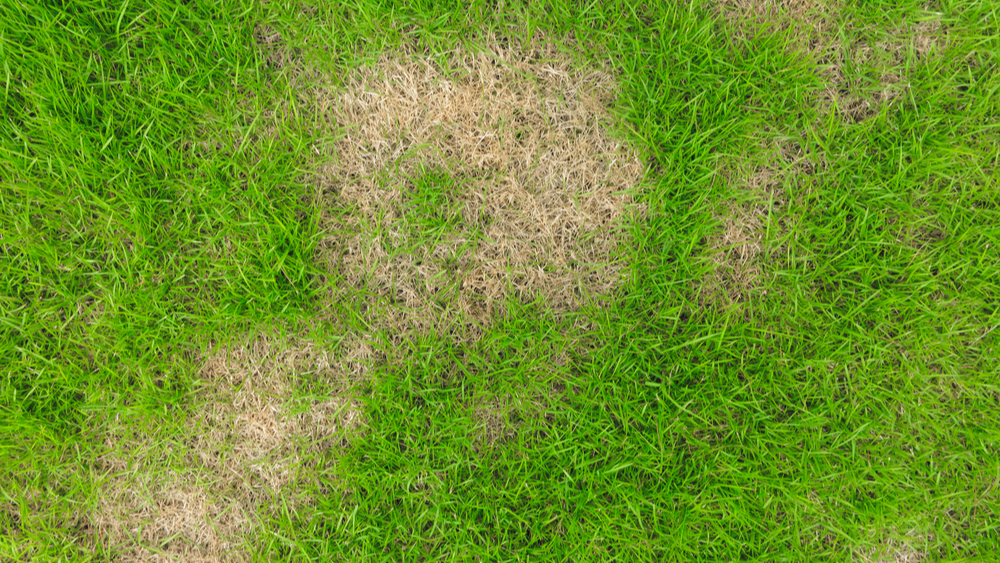
Familiar signs of damage caused by chinch bugs might start along driveways or sidewalks, besides patios, or other places where the lawn gets “edged”. Damage appears as yellowing patches or brown dead spots. From there, the damage starts to creep inward, leading to damaged and discolored spots all over the lawn. This article from the Florida Times-Union details the “double-whammy” that extreme weather (like drought) and chinch bugs can pose for lawns.
Mistaken Problems: Chinch Bugs vs Drought vs Fungus
Another reason that chinch bugs in particular can cause a lot of damage to south Florida lawns is that their damage is often mistaken for something else. Because the source of the problem is often misidentified, homeowners pursue improper or inadequate solutions and increase the amount of time before the actual problem is identified. Some other common issues that Florida homeowners mistake chinch bug damage for include:
- Drought stress
- Fungus
- Fertilizer “burn”
- Irrigation/watering issues
This helpful article from University of Florida researchers covers how chinch bug damage can resemble other common lawn problems. And of course, while chinch bug activity can often get mistaken for other lawn issues, there are also other insects that homeowners confuse with chinch bugs! These “false chinch bugs” do look very similar to the actual ones, but they have different habits and behaviors, and often don’t require the same level of aggressiveness in treatment.
Why Early Identification and Treatment Matters
Because chinch bugs have lookalikes and their activity is often mistaken for something else, early detection and treatment matters for maintaining the overall health and beauty of your lawn. Chinch bug damage travels quickly within an affected lawn and will easily transfer over to neighboring lawns if left untreated. Unfortunate delays can make the difference between minor lawn repairs and full lawn replacements For local golf courses, the chinch bug is among the top of the “most-wanted” list and staff are always on the lookout for signs of their presence.
Protect Your Florida Lawn This Summer
If you’re seeing any of the signs described above in your lawn, whether it’s St. Augustine grass or not, you shouldn’t wait for the summer heat to make the problem worse. If you suspect you have a chinch bug problem or aren’t sure if just drought spots or fungus, you should contact a professional lawn care company. Here at Nozzle Nolen, we’re experts in the unique combination of pest control and lawn care. We offer experienced lawn care pest control services for south Florida homeowners. You can visit our website and schedule a free lawn inspection and consultation at any time.