


Learn quick facts about Giant African Land Snails and quarantines from our video
Why Giant Land Snails Matter In South Florida
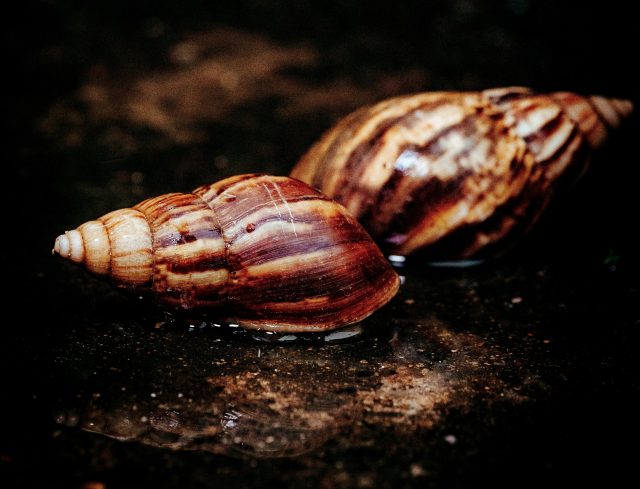
Giant African Land Snails (GALS) are one of the most destructive invasive species that has ever been found in the state of Florida. They’ve been detected multiple times in south Florida, particularly Broward County, with accompanying quarantine events and dedicated eradication efforts. In this blog post, we’ll explain what GALS are, why quarantines for them are so strict, and what residents should (and shouldn’t) do if they encounter one.
What Is A Giant African Land Snail?
The scientific taxonomy name for this snail is Lissachatina fulica, and they are a gastropod like other snails are. As the name implies, this is an especially large species of snail, typically around 6-8 inches long in size. They lay their eggs within the soil, and they have a very high reproductive rate. They release their fertilized eggs in what are known as “clutches” and each clutch can contain up to 200 eggs! Mature snails can have as many as 5-6 clutches per year, and eggs can hatch within 1 to 3 weeks after release.
The snail has a tremendous appetite and can wreak havoc on agricultural crops and local foliage. According to the USDA Animal and Plant Health Inspection Service (APHIS), GALS are a highly damaging snail species. Due to its reproductive intensity and their longer than average lifespan (3-5 years in the wild), this species is considered quite invasive. It is currently a federally prohibited species across the entire United States, which means it is illegal to possess or sell.
How Did Giant African Land Snails End Up In Florida?
Like many invasive species, these were most likely introduced to Florida through either accidental importation or illegal pet trades. Past infestations and quarantine events in the state have been traced back to unauthorized possession by hobbyists. This National Geographic article details how Giant African Land Snails have been introduced and spread in Florida.
Unfortunately, once these pests are released into the wild, their population sizes can increase dramatically. While this species of snail typically mates with another reproductive partner, they are actually hermaphroditic, which means they possess both male (sperm) and female (ova) gametes, and can in some conditions self-reproduce with no partner! As such, even a single snail let loose in the wild can quickly lead to a much larger infestation.
Are Giant African Land Snails Dangerous?
These snails are not aggressive and usually pose no immediate risk to humans or pets. However:
- They pose serious threats and risks to plants, gardens and agricultural crops.
- Their slime trails can cause damage or staining on stucco and concrete.
- They can transmit diseases and parasites, most notably the rat lungworm.
These snails are an intermediate host for the rat lungworm, which can be harmful to both humans and pets. The CDC cautions that this parasite can cause a form of meningitis, so the snails are not without their disease risks.
Why Are Giant African Land Snails Quarantined In Florida?
Quarantines are in effect for these snails because they are required to prevent further spread of the species. Eradication of the snails is only possible if they are contained early, and quarantine events support that. The quarantines restrict the movement of materials that could transport the snail or its eggs. The Florida Department of Agriculture oversees strict quarantine and eradication programs specifically for Giant African Land Snails.
What Does A Quarantine Zone Mean For Homeowners?
Once a quarantine event has been put in place, it generally means that homeowners and residents are prohibited from moving:
- Soil
- Yard clippings and debris
- Plants
- Outdoor equipment
These are the most common transportation methods for the snails, so the quarantines seek to control and limit them. As part of the quarantine, homeowners might also expect follow-up visits and inspections from local officials. Government agencies are given general liberty to access yards to inspect or treat these pests. A fairly recent local news story from the Tampa area detailed agricultural warrants issued by local agency officials for Giant African Land Snails, revealing just how seriously quarantine rules are enforced in the state.
What You Should Do If You Find A Giant African Land Snail
If you encounter a Giant African Land Snail:
- Do NOT attempt to touch, move, or kill the snail.
- Do NOT attempt to transport it off of your property.
- Keep pets and children away from the spotted area.
- Report the sighting immediately to state authorities.
This helpful article by NPR provides images and what Florida homeowners should look out for.
Why Invasive Species Require A Different Response in Florida
We’ve covered in this blog before other types of invasive species and why invasive species pose unique risks in Florida. Most pests are nuisances, but invasive species behave differently than your typical nuisance pests. Homeowners who attempt DIY control or removal methods can actually worsen the spread, even unintentionally. To prevent regulation violations, it’s important that residents seek out professional guidance who can help them stay compliant but also protect their property.
When To Seek Professional Help
Regulated species require coordination with local and/or state officials. Professional pest control companies will understand the proper reporting protocols and safe-handling practices. An expert pest control specialist will also be able to recognize look-alike species and provide advice and next steps for homeowners. Here at Nozzle Nolen homeowners can count on us for professional help with regulated or invasive pest situations.
Early Awareness & Reporting Help Protect Florida
Giant African Land Snails are rare, but very serious. Early reporting and diligent compliance with local regulations are key to supporting the full and proper eradication of this species. If you believe you have spotted one, you can always contact Nozzle Nolen at our website to schedule a free inspection, and we’ll give you expert advice and next steps.
If you enjoyed this article, you may be interested in learning about Ghost Sugar Trail Ants.