


Learn why roaches are still noticeable after rainy season in our video:
The Rainy Season Is Ending…So Why Are Roaches Still Inside?
The traditional stormy, rainy season in south Florida begins to wind down in early fall. Because many homeowners know that roaches and other pests are associated with the increased moisture and humidity, they might expect roach sightings to disappear this time of year. But pest activity, including roaches, don’t always follow the calendar that neatly. Months of excess moisture, heat, and vegetation growth have created conditions that may push cockroaches back into homes.
The key question is if fall roach sightings are just the occasional outdoor roach – the familiar palmetto bug – or if they’re indicative of an indoor infestation. In this blog post, we’ll review why roach sightings can continue after the rainy season and into the fall, how to tell what type of roach you’re dealing with, and what Florida homeowners can do to control and prevent roaches in the fall.
Some Outdoor Roaches Keep Wandering Indoors After Summer
There are several different species and types of roaches in south Florida. One useful distinction is between “outdoor” and “indoor” roaches. The familiar “palmetto bug” isn’t actually a singular species – it typically refers to one of three different cockroach species whose natural habitat is outdoors:
- Smokybrown cockroaches
- American cockroaches
- Australian cockroaches
These roaches typically live in mulch, decaying wood, overgrown vegetation, and other areas that can provide them shelter, water, and food sources. But if those sources are removed, or if a summer flood displaces them from their outdoor home, they can move into homes in search of those same survival needs. Roaches are opportunistic scavengers that are quite adaptable, so if they’ve already discovered a convenient entry route into your home, a change to drier weather doesn’t necessarily mean they’ll simply go away or return outdoors. Experts from UF/IFAS note that American cockroach infestations can occur after heavy rain and that they can migrate indoors from sewers, plumbing, trees, and shrubs.
Outdoor “Palmetto Bug” or Indoor German Cockroach Infestation?
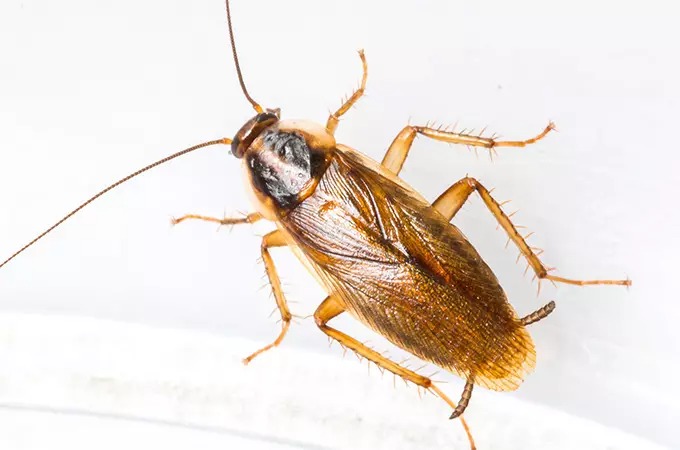
A few larger outdoor cockroaches that wander indoors in search of resources is quite different from an indoor infestation of German cockroaches. These are the smaller cockroaches that are adapted to live and reproduce in colonies inside homes and structures. They’re commonly found near:
- Kitchens
- Bathrooms
- Appliances
- Cabinets
- Behind walls
- Plumbing areas and drain lines
If German cockroaches have established an indoor colony inside a home, the end of the rainy season isn’t going to make them disappear. Gerrman cockroaches depend on indoor food, water, and harborage, and they can remain established regardless of outdoor rainfall levels. They’re not just relegated to homes, either. As a local restaurant learned the hard way during a health inspection, even commercial properties can face the same issues from indoor roach infestations.If you’ve observed multiple sightings of these smaller roaches, especially during the daytime, then it might warrant a closer inspection.
Your Home Can Stay Moist Even When the Weather Gets Drier
Roaches need certain moisture levels to survive, but that moisture doesn’t always have to come from outdoor rains. When outdoors, roaches thrive in mulch, decaying wood, and among fallen palm fronds – places that well-retain moisture over time. But even when outdoor sources dry up, those from inside or the exterior of the home can also provide them ample amounts of water:
- Plumbing leaks
- Sink and floor drains
- AC condensation
- Irrigation lines
- Pet water
- Bird baths
- Damp garages
- Moisture beneath appliances
Steady water sources let roaches survive long after the traditional Florida storm season subsides.
Check the Entry Points That Summer May Have Exposed
After a season of storms, heat, and heavy usage, perform a comprehensive perimeter check on all of your common pest barriers for wear and tear:
- Weatherstripping
- Sealing
- Door sweeps
- Damaged window and door screens
- Plumbing line penetrations
- Utility line penetrations
- Exterior vents
- Gaps and cracks doors, windows, and AC lines
If any of these spots requires it, repair the issue to fix and restore the preventative barrier. In addition to that, trim back any vegetation that is touching or very close to the home. Shrubs, palms, bushes and other landscaping can all provide harborage spots for roaches and convenient travel paths toward and into your home.
Why Spraying the Roaches You See Usually Isn’t Enough
The main problem with DIY spraying is that killing visible roaches only provides short-term relief and never addresses where they are actually coming from. For indoor German roach infestations, this is especially true.
A more effective roach control and prevention strategy is going to attack the problem on multiple fronts, addressing the core sources of the problem:
- Sanitation: Reduce accessible food, crumbs, residues and grease
- Moisture reduction: Fix leaks and condensation issues
- Exclusion: Find and close off entry points
- Monitoring: Identify where activity is concentrated and remonitor over time
- Targeted treatments or baits: Address established activity appropriately
This more holistic and comprehensive strategy is the basis for Integrated Pest Management (IPM), which are data-driven and industry-leading approaches to pest control. Researchers at UF/IFAS recommend an integrated approach combining prevention, sanitation, exclusion, monitoring, and targeted control.
When Do Fall Roach Sightings Deserve a Closer Look?
A solitary sighting or two of an outdoor palmetto bug doesn’t necessarily mean there’s an infestation in your home. Addressing the sources of how and why the outdoor roaches are moving inside are usually enough to prevent future sightings. However, you might want to consider a professional pest inspection if:
- Roaches are appearing repeatedly
- Activity is present during the daytime
- Smaller German cockroaches are sighted
- Roach droppings or egg cases are spotted
- Roaches keep appearing after cleaning and exclusion attempts
Remember, drier weather can change the behavior of cockroaches, but it doesn’t control or influence the availability of the 4 main things that roaches (and all pests!) need: food, moisture, shelter, and access into the home. A fall checklist and cleanup are the perfect time to button up those conditions inside and around the home.
Of course, if you’re unsure of what you’re dealing with or you’ve struggled to effectively prevent roaches from coming back, you can always contact us here at Nozzle Nolen. We have decades of experience in Palm Beach and surrounding counties and we know south Florida pests – especially palmetto bugs and German cockroaches. We offer reliable and affordable residential pest control programs for homeowners built on Integrated Pest Management) techniques. You can always visit our website to schedule a free initial pest inspection and consultation today.