


Learn why late-summer moisture and humidity drive drain flies in our video:

Tiny Flies, Bigger Moisture Clues
It’s a relatable scenario this time of year in south Florida: a homeowner notices some tiny, fuzzy flies near a bathroom sink, kitchen drain, laundry room, or guest bathroom that hasn’t been used in a while. Where did they come from? The presence of drain flies is often less about the flies themselves and more about the damp, moist, organic buildup that provides them a breeding ground. In this blog post, we’ll cover drain flies and other similar moisture pests, why they seem to get worse later in the summer, and what actually gets rid of them.
Why Late Summer Creates the Perfect Drain Fly Environment
By later summer, south Florida has been facing months of heat, humidity, afternoon storms and flooding. The increasing temperatures lead to faster insect breeding and life cycles. The frequent rain can expand the number of damp places around the home. AC systems create condensation around pans, lines, and nearby surfaces. Over time, drains that are slow or not used much can build an organic film – biofilm. These then become the perfect habitat for drain flies.
Where Drain Flies Actually Come From
Drain flies don’t just appear because there is water or moisture. Rather, they breed in the wet, gelatinous organic biofilm that builds up in drains and other damp places. Common places you can find these pesky drain flies include:
- Bathroom sink drains
- Shower and tub drains
- Kitchen drains
- Floor drains in kitchens and garages
- Infrequently used guest bathroom drains
- Refrigerator or AC unit condensation pans
- Clogged gutters
- Plumbing leaks
- Damp garbage containers
Researchers at the University of Arkansas note that the drain flies evolved to breed outdoors in moist, shaded locations in the woods or swamps, but that developed areas can also provide them ample decaying matter and biofilms they need to reproduce.
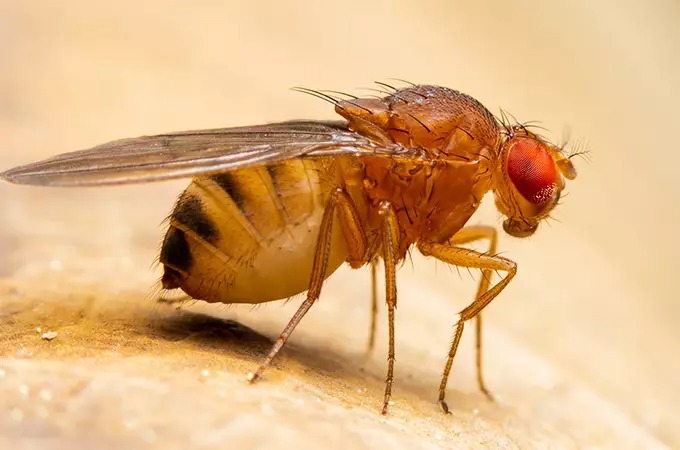
Drain Flies vs. Fruit Flies, Fungus Gnats, and Phorid Flies
Drain flies are sometimes confused for other smaller flies such as fruit flies, gnats and phorid flies (aka scuttle flies). However, proper identification of these flies is important, particularly in treatment. Removing an old bowl of fruit is not going to get rid of drain flies. Here’s some quick visual cues to tell these different types of flies apart:
- Drain flies: Fuzzy or moth-like in appearance; found near drains, sinks, showers, damp rooms or areas.
- Fruit flies: Smooth tan bodies with clear wings with reddish eyes; often found near fruit, produce, food scraps or fermenting residue.
- Fungus gnats: Smooth and mosquito-like in appearance; often found around damp soil, rotting organic matter or overly-watered houseplants.
- Phorid flies: Smooth oval body with a humped back; found in decaying organic matter and may indicate broken pipes or larger sewage issues.
Why Killing Adult Drain Flies Doesn’t Fix the Problem
If you’ve ever had drain flies and swatted some of them or used a fly trap, only for them to reappear days later, you might have wondered: “Why do drain flies keep coming back?”. The truth is that the adult drain flies are just the visible “symptom” of the problem. Killing or trapping the adult drain flies may temporarily reduce the visibility of the underlying problem. But their breeding site is almost always hidden in slimy buildup, biofilm or decaying organic matter. If the eggs and larvae remain in the film, then the drain flies are going to keep coming back. Experts at the University of Kentucky stress that elimination of the drain fly breeding sites by cleaning pipes or drain traps are the most effective method of dealing with them.
How Florida Homeowners Can Start Handling Drain Fly Problems
While homeowners may sometimes fail to fully deal with drain flies through swatting or trapping, there are fortunately some fairly basic steps they can take to more effectively handle these pests.
- First, confirm the likely source by watching where drain flies rest or emerge. They don’t fly much or far, so where you spot them is typically close to the breeding site.
- Check condensate pans, laundry areas, trash containers, and nearby damp spots as well.
- Clean the drain thoroughly, not just cosmetically. Use a wire or bristled drain brush where appropriate to remove buildup.
- Clean, soak and rinse strainers, stoppers, overflow areas, and drain covers.
- Address slow drains for faster draining speed and less chance of buildup
Be careful with DIY quick-fixes like bleach or boiling water. These typically won’t remove the organic film where larvae develop. You should also avoid pouring commercial pesticides down the drain as well. Entomologists (bug scientists) from the University of Florida were featured in Southern Living magazine, discussing the problem of drain slime, how it contributes to drain fly problems, and how to deal with the pests.
When Drain Flies Suggest Bigger Moisture Problems
A few drain flies near a sink or tub aren’t uncommon and are usually manageable with proper source removal and cleaning of the biofilm. But heavy or repeated drain fly activity, particularly over multiple areas, can point to more serious concerns. Some deeper issues that may be behind the drain fly problem include:
- Damaged or broken pipes
- Septic or sewer leaks
- Wet wall voids
- Excessive crawlspace moisture
- Chronic condensation issues from refrigerators, freezers, or AC units
If the drain flies are appearing away from the typical drain or keep coming back after thorough drain cleanings, then this is something to pay attention to.
Late-Summer Moisture Pests Are a Whole-Home Reminder
The same humidity and moisture issues that can lead to drain flies can also drive other pest problems as well. Mosquitos, roaches and ants are among the other insects that respond to rain, humidity and dampness. You can check out one of our prior educational videos on how roaches are driven indoors by summer rains. This is why focusing on the drain flies themselves isn’t always the best approach and a more holistic approach to moisture control in the home and yard is preferable. During the later summer months when humidity and rain are at their summer peaks, homeowners should regularly check – and if needed, clean – areas such as:
- Downspouts and exterior drainage lines
- AC lines and condensation pans
- Underneath sinks
- Laundry rooms
- Guest bathrooms
- Trash and recycling bins
Don’t Let Moisture Pests Dampen Your Summer Spirit
While a good, thorough scrubbing and cleaning of the collected organic film will usually work, sometimes drain flies and other moisture pests keep coming back. This is when you might want to contact a local professional pest control company. Here at Nozzle Nolen, we have decades of experience in south Florida and have a deep understanding about how moisture and humidity contribute to pest problems. We offer professional home pest inspections when small flies or other moisture pests continue returning. You can always visit our website to get in contact with us or to schedule a free initial pest inspection and consultation for your home.