


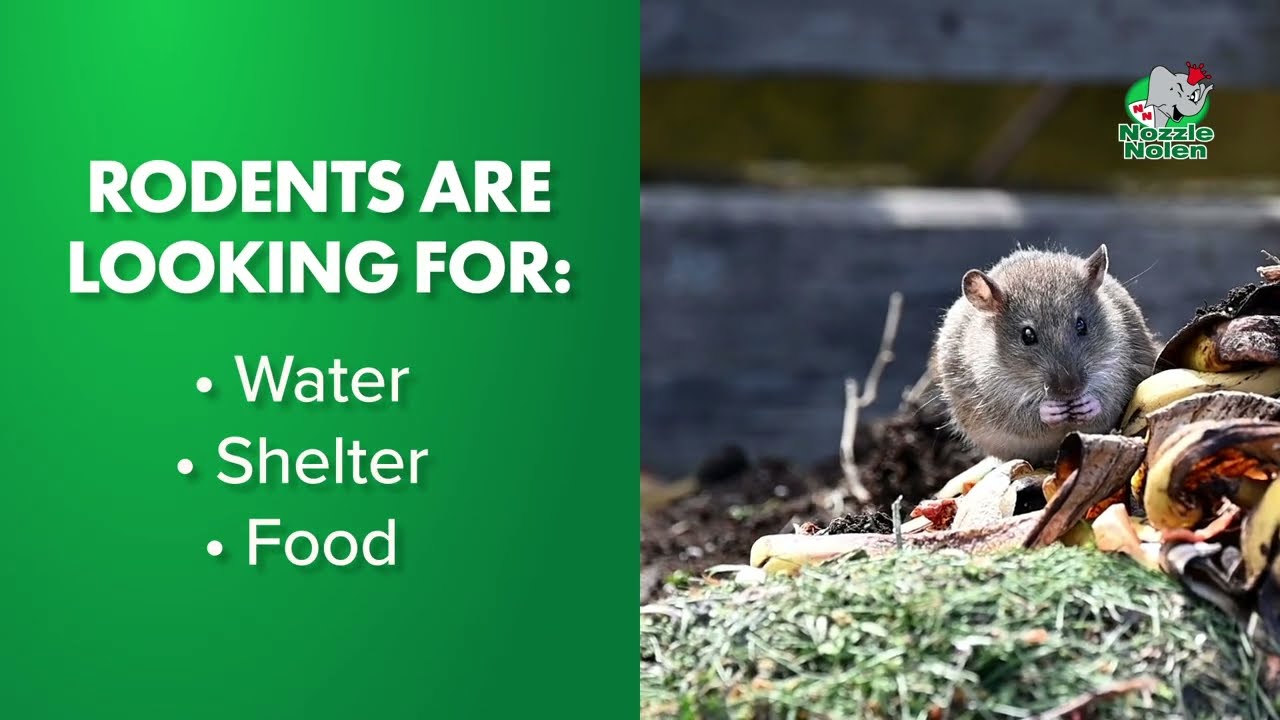
Learn why extreme heat can drive rodents indoors in our video:
Florida Rodents Don’t Take the Summer Off
In south Florida, a lot of homeowners associate rodent activity with the cooler temperatures that arrive in late fall and early winter. And while rat and mice sightings do typically begin to spike during that time of year, it’s not the only time rodents are driven indoors. The summer heat, drought conditions, afternoon storms and unexpected flooding can all push rodents to search for cooler, drier shelter and a more hospitable environment. Rats, mice, and other rodents move based on their survival needs: food, water, shelter, and safety. July is a great time to inspect attics, garages, rooflines and gaps in your home’s exterior, before hurricane season arrives.
Why Extreme Heat Pushes Rodents Indoors
Rodents are like any other mammal – they need water just as much as food. When the summer heat really starts to kick in, it can dry out a lot of the outdoor areas that rodents forage and nest in. As a result, they move closer and closer to homes, where water is easier to find. With the right amount of weather-related pressure, those rodents can find even the smallest of gaps in your home’s exterior and invade your home.
Common attractants that can draw rodents near Florida homes in the summer include:
- Leaky hoses and hose bibs
- Irrigation and lawn-watering runoff
- Pet bowls
- AC and HVAC condensation lines
- Outdoor kitchens
- Trash containers and bins
The sudden spike in visible rodent activity during or after heat waves isn’t random – it’s simply the rodents following the resources they need to survive. This is why the CDC recommends preventing rodents’ access to food, water and shelter.
Summer Storms Can Displace Rodents Too
It’s not just the heat that can push rats and mice indoors during the summer. Heavy rains and flash flooding can disrupt the outdoor burrows and nests that rodents naturally live in. Once they get dislodged from those places, they often move into garages, sheds, attics, crawl spaces, and wall voids.
In southeast Florida, the heat and rain overlap, so there’s plenty of different pressures that the rodents face throughout the summer – not just the winter. But the rodents’ instincts are much the same: find new sources of water, food, and shelter. This is why researchers at the University of Florida recommend restricting rodent access to them for the management of rodents.
Roof Rats: A Familiar Southeast Florida Pest
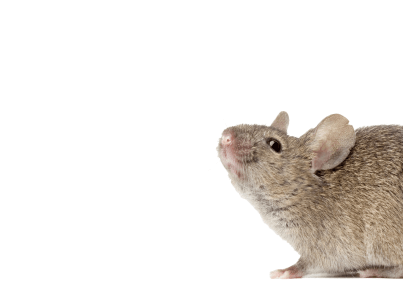
While many types of Florida rodents are ground-dwellers, a few species are a bit more agile. One pest familiar to a lot of Florida homeowners – especially those who have fruit or palm trees – are roof rats. These rodents are natural climbers that use branches, utility poles and lines, fences, and other scalable surfaces as walkways and travel paths. They like to nest and forage in places like:
- Palm trees
- Fruit trees
- Dense vegetation
- Rooflines
- Soffits
- Attics
While known for their fondness of fruit, whether on a branch or fallen to the ground, they’re equally attracted to other available food sources like bird seed, pet food, and outdoor grilling & kitchen areas. Due to their climbing abilities, roof rats just as often invade Florida homes from above, and not just ground-level entry points.
Entry Points To Check Before and After Storms
Rodents don’t need large gaps in your home’s exterior to infiltrate. Even gaps the size of a coin are often more than sufficient for mice (and even some rats!) to squeeze through. Key areas to check before or after a storm include:
- Foundation cracks
- Utility line and pipe entrances
- Garage door seals
- Vents
- Soffits and fascia
- Damaged screens
- Gaps in window and/or door framing
A simple walk around your yard and general property lines after a heavy rain or before an extended period away from your home will make a big difference in restricting the potential entry points for rodents and other local pest populations.
Why Sealing Gaps Isn’t Always the Final Step
Sealing entry points is important for keeping rodents out of your home, but the timing is just as important. If rodents are already inside your home, then sealing the gaps and cracks in the exterior will inadvertently trap them inside. This can cause the often unexpected “second wave” of rodent activity in your home.
When the rats or mice lose their familiar access points and routes, they scramble and search for new openings. This in turn can lead to more scratching noises and other signs of rodent activity, often making it seem like the problem has gotten worse. This reinforces the importance of proper timing when sealing potential entry points to the home and why follow-up inspections are often important and necessary.
Rodenticides: Use Carefully, Not Casually
Rodenticides like rat poison have their place, but they need to be used carefully and legally. EPA guidance on rodenticides explains why they need to be handled carefully. Unsafe use of rodenticides can pose risks:
- Accidental exposure to pets
- Accidental exposure to children
- Secondary poisoning of other wildlife
- Rodents dying in within inaccessible areas
A safe, professional approach to rodenticides is targeted and precise, not random and haphazard. Researchers and professionals with the University of Florida discuss responsible approaches to rat poison in this podcast.
What Florida Homeowners Can Do Now
Before the peak heat and rain hit, Florida homeowners can take meaningful proactive steps to reduce the likelihood of rodent activity in their homes later:
- Inspect attic, garage, and shed areas
- Pick up fallen fruit
- Secure pet food and bird feed
- Seal trash bins
- Remove standing water and fix leaks
- Trim branches and foliage that extends over or near rooflines
- Check roofline, soffit, and fascia for cracks and gaps
The best long-term pest control approaches are proactive. Taking even small measures and checks now will lead to greater peace of mind later. Of course, in addition to those measures, you can also contact a professional pest control company to schedule an inspection.
Here at Nozzle Nolen, we have decades of experience working within Palm Beach county and the surrounding areas. We offer professional rodent control services to southeast Florida homeowners that are affordable and reliable. You can visit our website to schedule a free initial pest inspection and consultation today.