

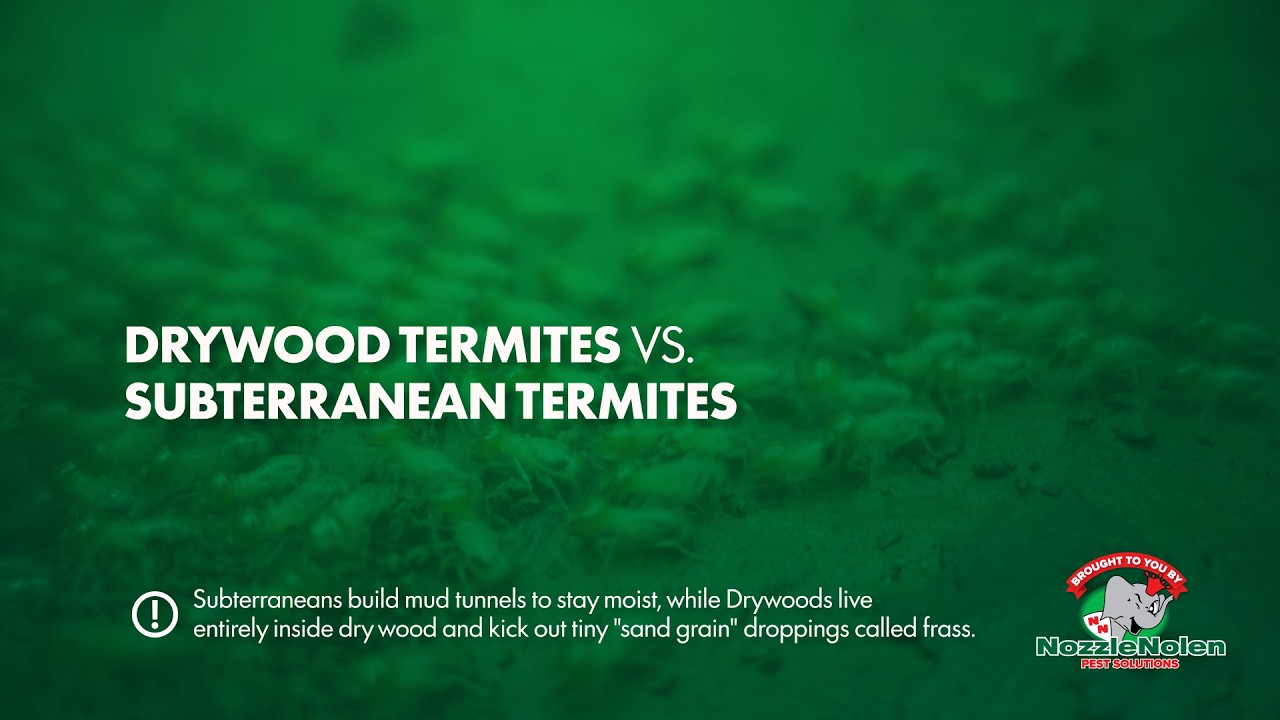
Learn quick facts about drywood vs subterranean Termites and how their treatments differ in our video:
Not All Florida Termites Are The Same
In Florida, homes and businesses are constantly under threat from the risks posed by termites. Indeed, recent University of Florida research on termites released just earlier this year indicates that termite activity in Florida is spreading even faster and farther than previously expected. While Florida homes face threats from several different types of termites, the two that cause the most structural damage are subterranean termites and drywood termites.
Subterranean and drywood termites are actually two quite different species, with their own lifecycles and behaviors. As such, professional termite control requires species-specific approaches that adapt to the particular types of termites posing a threat to the home or business. In this blog post, we’ll review the major differences between subterranean and drywood termites and discuss the importance of a treatment service or plan that’s been properly tailored to the relevant species and type of termite.
Different Nesting Habits & Species Identification for Termite Treatments
One of the key differences between subterranean and drywood termites are their nesting habits. Termites nest where they live and breed, which determines how termites enter your home and where they’re likely to be detected (or not!). If you treat the wrong species, you might fail to properly deal with the infestation. This is why all professional termite treatments and service plans start with a species identification.
Researchers from the University of Florida have developed this handy guide that reviews the different termite species commonly found in Florida. Our own Pest Library also has detailed explanations of how 4 common termites species in Florida differ from one another.
Subterranean Termites: The Underground Invaders
As their name implies, subterranean termites live underground. As such, you can’t readily see the nest or the sheer scale of the colony living within it. Like other insects, termites have different “castes”, or roles within the colony. One of them is the breeding caste, which are scientifically called “alates” but more commonly known as “swarmers”. Swarmer termites are often mistaken for flying ants, another type of insect you will find in Florida. Here’s a quick overview video on termite lookalikes that we created so homeowners can tell them apart.
Another termite caste is made up of the “worker” termites, who are responsible for foraging for food. Cellulose, the primary building block of all plant life, is one of their favorite food sources. The wood that makes up the beams and walls and provides structural support to the home are made up almost entirely of cellulose, which makes them prime feeding targets for termites.
Subterranean termites need a constant level of humidity, so the worker termites move from underground to above ground within your home by creating mud tubes, which function as travel tunnels from below ground. Once they infiltrate the perimeter of the home, subterranean termites feed upon the structural wood elements, which threatens the structural integrity of the home.
In Florida, there are actually several “sub-types” of subterranean termites, including the fairly notorious Formosan subterranean termite. Researchers have been actively tracking at least two different species of subterranean termites in Florida for over 30 years!.
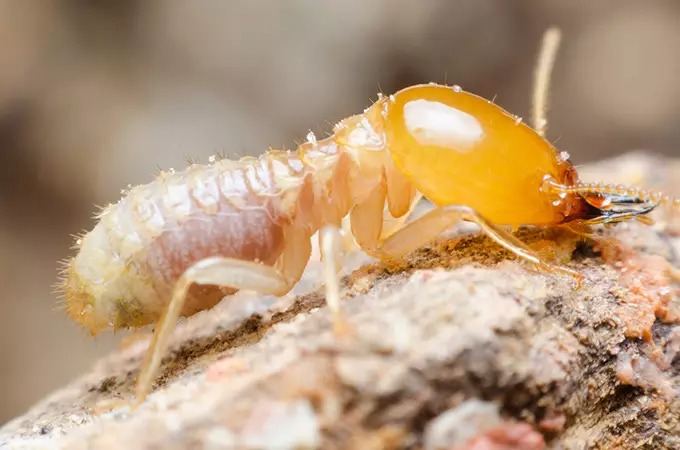
Drywood Termites: The Hidden Colonies Living Inside Your Home’s Wood
Drywood termites don’t live in underground nests. Their colonies can be found in several places where wood is abundant in residential homes, like:
- Attic framing
- Interior wall studs
- Drywall
- Interior trim elements
- Furniture
Because the amount of space to colonize is much smaller than the nearly unlimited space available underground, drywood termites tend to have smaller colony sizes than subterranean termites. Rather than mud tubes, the most common visual signs of drywood termites are:
- Frass (termite droppings)
- Small piles or groups of discarded termite wings
- Kick-out holes in the wood or cellulose abundant materials, which were chewed out by the termites
Why One-Size-Fits-All Approaches Don’t Work
Because their nesting, feeding and breeding behaviors are so different, proper treatments for subterranean and drywood termites necessarily differ.
For subterranean termites, treatments should focus on creating soil to structure barriers, as well as applying bait stations and localized soil treatments. Direct spraying may have some place when combined with other tactics, but modern research has demonstrated that by itself, liquid insecticide has limited impact and effectiveness against subterranean termites.
For drywood termites, treatments will often focus on local spot treatments and targeted injection into the wood itself, often combined with a tent-sealed fumigation approach to ensure complete penetration of the underlying colony.
What Steps Should Florida Homeowners Take For Termites
Florida homeowners should become familiar with the different types of visual indicators that suggest the presence of one main termite type versus another. Remember if you’re seeing mud tubes outside near the foundation walls of your home, you’re almost surely dealing with subterranean termites. If you see a bunch of discarded wings and frass piles inside, you’re most likely dealing with drywood termites.
Although the specific treatments would differ, one key thing they both have in common is that early detection is critical. The longer a termite problem is unrecognized and untreated, the more structural and financial damage it can cause home and business owners.
At Nozzle Nolen, our experience with local termite populations stretches across multiple generations of our family owned business. We know Florida termites! We offer effective termite inspection and protection options for south Florida homes. If you even suspect you have a termite problem, you can call us today or visit our website to Schedule a Free Termite Inspection.