


Learn quick facts about outdoor roaches and how to keep them from coming indoors:
Florida’s “Outdoor Roaches” Still Come Inside
Many southeast Florida homeowners are surprised to see roaches inside their home, even when their home is quite clean and pristine. After all, many roach species in Florida are technically outdoor species, ones that live in and among mulch, palm trees and damp landscaping.
However, when outdoor conditions shift (rain or humidity levels, drought, irrigation, etc.), these supposedly outdoor roaches can quite quickly and easily move indoors. In this blog post, we’ll explain why this happens, how homeowners can help to stop it, and when the presence of roaches indoors signals a true infestation.
Outdoor Roaches vs Indoor Roaches: What’s The Difference?
Florida has multiple cockroach species, and they don’t all behave the same. You can learn more about common Florida cockroach species and indoor vs outdoor behavior in our prior blog post on understanding Florida cockroaches.
Outdoor roaches will typically live in or around things like:
- Mulch
- Leaf piles
- Lawn “litter”
- Palm trees
- Sewer and drain systems
- Crawl spaces
Your more familiar species of indoor roaches, like German cockroaches, typically live behind walls or within crawl spaces and thrive near kitchen or bathroom areas. Researchers from the University of Florida explain how outdoor cockroaches behave differently than indoor cockroaches in this helpful article.
Why Outdoor Cockroaches Come Inside Homes (Even Clean Ones!)
Cockroaches are among the oldest living species of insects, with their earliest ancestors appearing on earth over 300 million years ago. To say they are an adaptive and resourceful species is an understatement, and modern roaches remain quite opportunistic. Even the cleanest of homes still offers plenty of what roaches need to survive:
- Warmth
- Moisture and water sources
- Dark and protected hiding spaces
Roaches don’t come inside homes because they are dirty, but because of the available moisture. Moisture is among the very top drivers of roach behavior and activity in Florida. When it gets a little too dry outside for their liking, they start to explore wider swaths of area until they find the moisture they need. Roaches can enter and infiltrate homes through:
- Door gaps
- Garage thresholds
- Plumbing and utility line entry points
- Vents, soffits and ridgelines
Mulch Roaches: Why Mulch Attracts Cockroaches Near The Home
Mulch is a very common and familiar landscaping material used throughout Florida. It helps retain moisture even in very high temperatures, as well as provide some shade. However, it also attracts some of the smaller insects that roaches feed on, as well as create natural pockets of hiding space. This is why fresh deliveries of mulch during “mulching season” is often accompanied by a spike in reported cockroach sightings.
For south Florida homeowners, some best practices for using mulch would include:
- Keep the mulch line pulled back at least 12-18 inches from the foundation walls of the home.
- Avoid overwatering and monitor moisture levels. The very top level surface of mulch should not be too damp and can even be a little dry. The mulch will still retain moisture in deeper layers, so don’t overwater.
- Clean out leaf, sticks, and other “litter” among the mulch. This will help improve the aesthetics as well as remove food sources and hiding spots for roaches.
Palms and Palm Roaches: Why Roaches Live In Palm Trees and Landscaping
Many species of palm trees, including the familiar Sago palm, can harbor outdoor cockroach species. First and foremost, they provide comfortable shelter and hiding spots for roaches. Their overall canopy and any dead palm fronds will offer cockroaches the shelter and protection they need from outdoor elements and predators. Secondly, as a tree species common to tropical and subtropical environments, palms are excellent at moisture control and management. Palm fronds trap little pockets of moisture, as well as organic debris, creating a very hospitable environment for outdoor roaches. The palm tree trunk and branches can function as “highways” for roaches, as they fall or travel down the tree during heavy rain or when they are trimmed.
Moisture Is the Real Culprit: Humidity, Irrigation, and Rainstorms
As mentioned earlier, moisture is among the very top drivers of cockroach behavior and activity. In southeast Florida, the overall humidity levels and seasonal rain patterns create shifting but ever available moisture sources. Roaches will often thrive around places like:
- Leaking hose bibs and irrigation heads
- AC and heating & cooling system drain lines
- Clogged gutters and drains
- Standing pockets of water, especially near home foundations
During sustained periods of heavy rain and/or flash storms, the heavy rain volume can “flush” roaches from landscaping and vegetation towards or into garages and homes. On the converse scenario, periods of sustained dry weather or drought can also drive the roaches inside as they seek out moisture to survive. The University of Florida highlights moisture and shelter as major factors in cockroach activity.
Palmetto Bugs in Florida: Outdoor Visitors That Still Freak People Out
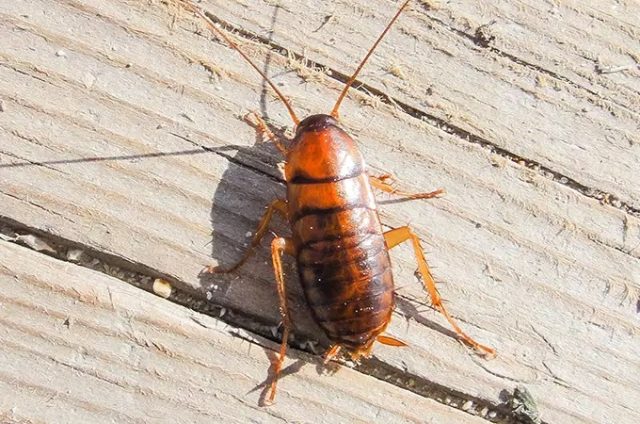
A “palmetto bug” is just another name for a particular type of outdoor roach species. These are most often your American cockroach or other outdoor roach species. These outdoor species will occasionally appear indoors, opportunistically or by accident. Due to their larger than average size, however, they’re quite noticeable compared to smaller roach species. As a result, when they are spotted inside, they tend to cause a bit of panic in homeowners. However, the presence of palmetto bugs in and of itself doesn’t usually signal an actual infestation or breeding environment within the home.
When Roaches Signal A Bigger Problem (German Cockroach Red Flags)
An outdoor roach or two that is spotted indoors is still more often than not just an occasional or isolated instance. True infestations from an indoor roach species, like German cockroaches, reveal much clearer and stronger patterns:
- Multiple sightings over shorter windows of time
- Roaches seen during the day
- Small or immature roaches (nymphs) in cabinets and other hiding places
- Visible activity around appliances and plumbing lines
If you’re noticing any of the above signs, this could indicate an increasing population pressure ongoing breeding cycles. If you live within an apartment or condo, the risk is increased due to shared walls, crawl spaces and plumbing lines. Here’s a helpful video with some quick facts about German cockroaches in Florida condos and apartments.
The South Florida Reality: Roaches Are a Common Problem For Homes and Businesses
Over the last few decades, climate change and growing levels of building development have combined to contribute to cockroach issues. It seems that every few months, there are local news stories about roach activity and increased roach population pressures. Just recently, the Sun Sentinel highlighted that local restaurant inspections reveal that roaches are a persistent south Florida issue. A very worrisome pair of articles from the Independent and WFLA uncovered some very unreasonable ways to control roaches inside the home and highlighted why DIY methods are often not worth the risk.
Roaches Aren’t Just Gross: Real Health Risks
While roaches are unsightly to look at, particularly larger ones, the problems they cause aren’t just limited to aesthetic ones. The reality is that roaches can also pose genuine health risks to people. Roaches can contaminate food and surfaces that they crawl on. Roach allergens have been linked to respiratory irritation and asthma – particularly in younger children. As they crawl through drains and basins, roaches can also carry bacteria. The National Center for Healthy Housing details how roaches are a known public health nuisance and asthma trigger.
How To Keep Outdoor Roaches From Coming Inside
While we’ve shown that the migration of outdoor roaches into indoor homes is an adaptive behavior, that doesn’t mean Florida homeowners can’t take proactive steps to prevent their infiltration into homes. Some basic preventative measures include:
- Make sure mulch layers are at least 12 to 18 inches away from foundations
- Reduce any mulch buildup that is close to the home
- Keep palm trees trimmed and remove dead fronds
- Fix leaks and drain standing pools of water in the yard
- Seal door sweeps and garage gaps
- Clean out gutters and downspouts regularly
- Store trash properly in sealed garbage bins
Remember, proper outdoor control will help manage and reduce indoor sightings.
When To Call a Professional Pest Control Company
If sightings of roaches are frequent or recurring enough or involve smaller (German) roaches, you may have an actual infestation on your hands and professional treatments might be the safest route. Nozzle Nolen can treat both outdoor harborages (mulch, palms, landscaping) AND any indoor problem areas (bath, kitchen, etc). In Palm Beach County and the surrounding areas, residents can count on Nozzle Nolen for year-round pest control for Florida homes.
In Florida, Roaches Are Part Of the Environment – But Don’t Have To Be In Your Home
There are several different roach species active in Florida, including native outdoor species. Most of these species’ presence indoors is tied to moisture activity and availability. However, repeated indoor sightings of roaches may signal a deeper infestation or problem. If you suspect you’ve had multiple indoor roach sightings recently, you can always visit the Nozzle Nolen website and schedule a free initial inspection and consultation today.