


Learn Quick Facts About Roaches in Florida Condos from our video
Why “Just One Roach” Is Rarely Just One in Condos
In South Florida apartments and condos, seeing a solitary roach is often an early warning or indicator – not just an isolated incident. German roaches in particular reproduce very quickly, and hide in walls and shared utility spaces, moving easily between different units. In this blog post, we’ll explain what German roaches are, why attached housing units are vulnerable, and how residents and property managers should respond upon seeing them.
What Are German Cockroaches? (And Why They’re Different)
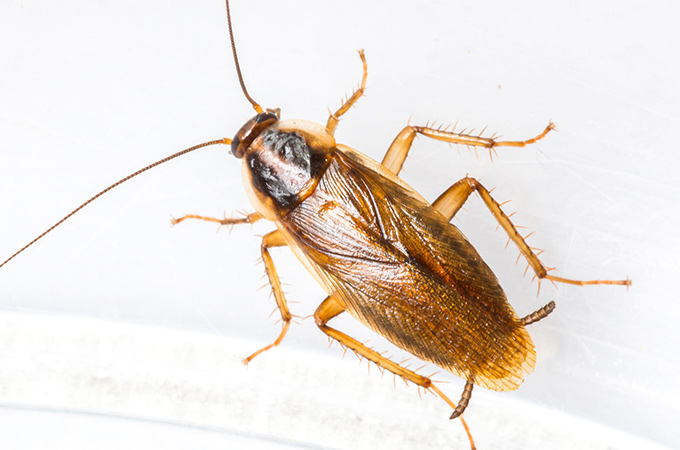
German roaches are among the several roach species common in Florida. They are brown in color, small in size, and feature two darker stripes behind their heads. They start out as eggs and then hatch into nymphs. From here, they will mature quickly into adults and begin laying their own eggs, a faster reproductive cycle compared to many other pests. The University of Florida explains the biology and behavior of German cockroaches in this profile.
Why German Roaches Spread So Easily In Condos & Apartments
Condos and apartments have shared building elements such as:
- Walls
- Plumbing chases
- Electrical conduits
- Vents
- Utility lines
With these shared building elements, the roaches are provided highly effective means of transportation between units. These building elements are also often concealed, meaning the roaches using them as “roads” between one unit are not typically visible. This means that one untreated unit can quickly infest or re-infest adjacent and nearby units. While tenants understand and respect the boundaries between one unit and another, roaches don’t. As such, multi-unit buildings require coordinated pest control. This holds even more true during winter months, when temperatures drop, and roaches seek warmer indoor environments.
My Unit Is Clean – So Why Am I Seeing Roaches?
Many multi-unit residents might wonder why they’re seeing roaches when their particular unit is sparkling clean. The reality is that clean units can still experience and see roaches that are migrating from nearby units. In addition, roaches are attracted to more than just food crumbs or debris. They need warmth and moisture, which multi-unit buildings provide in abundance. Residents often see roaches at night or when populations have been disturbed elsewhere nearby. Multi-family housing unit experts note that roach infestations often spread from unit to unit.
Does Seeing One German Roach Mean An Infestation?
While it’s not a 100% guarantee, if you spot one german roach, it often means yes, there’s an infestation in the overall building, or at very least, indicative of an established enough population nearby. German roaches, like many insects, are social creatures that do not live or function independently. They exist within larger colony-like social structures and use pheromones to signal information like available food sources or entry points to one another. Knowing this, however, can actually be helpful if an early spotting is acted upon quickly and diligently.
Why Sprays Alone Can Make German Roaches Worse
Repellant sprays are only superficial solutions that can actually make things worse in the long run. While they may cause roaches to flee any one particular apartment or condo, they will typically just scatter the roaches deeper into the walls or shared building elements and cause them to infiltrate previously uninfested units. In addition, sprays do nothing to address the roaches’ nests, their egg cases, or shared harborage points. Finally, sprays can interfere with more effective baiting strategies. This is why University of Florida researchers will recommend assessment-based, non-repellant control methods.
What Actually Works: Building Wide IPM for German Roaches
The most effective overall approach for dealing with German roaches in multi-unit housing incorporates a range of different strategies as part of Integrated Pest Management (IPM). These include:
- Monitoring with sticky traps
- Sanitation improvements
- Moisture and humidity reduction
- Sealing entry points
- Targeted baiting stations (not broad spraying)
- Follow-up inspections
To implement these strategies most successfully, it requires physical access to multiple units and a coordinated approach. Individual tenants cannot be relied upon, and the most critical pest control coordinators will be building managers. Peer-reviewed studies show that building-wide IPM strategies more effectively German roach populations, which is why the EPA recommends IPM programs for apartment and condo building specifically.
HOA and Property Manager Responsibilities in Southeast Florida
As we’ve discussed, treating one unit at a time or treating roach sightings individually often fails and just increases long-term costs. For HOA stakeholders and Property Managers, coordinated access and treatments, clear and consistent documentation, and multiple follow-up visits are critical for effectively combating German roach populations. Remember, Florida law places responsibility on landlords to address roach issues. As such, due diligence and timely response windows are paramount. Don’t put off or delay necessary interventions with the hope that roach sightings are isolated events.
Why German Roaches Are a Public-Health and Reputational Risk
Besides their general creepiness, German roaches can cause or contribute to a range of health issues. They are linked to allergens, can serve as asthma triggers, and contaminate food sources. Even the seemingly cleanest properties can still face resident complaints, code inspections, and reputational harm. It seems like it’s only every few months before local news “Dirty Dining” coverage flags roach activity indoors specifically, which should serve as a stark reminder that even previously clean environments can quickly see roach pressures without ongoing monitoring and prevention. Indeed, we’ve already covered why roaches are a serious public-health and reputational issue. Don’t leave your business reputation and revenue streams up to chance.
Professional Help: Coordinated Solutions for South Florida Residents & Properties
While it might be tempting and easier to provide treatments for individual residents or units, the best long-term success hinges on property-wide planning and execution. HOA stakeholders and property managers should seek out trusted partners with ample experience specifically in multi-unit housing. Here at Nozzle Nolen, we have decades of experience providing professional residential pest control in southeast Florida. That ample experience extends deeply into and informs our commercial pest control programs designed for condos and multi-family properties as well.
Don’t Go It Alone: German Roaches Are a Shared Problem
Remember, what might seem like a single, isolated sighting is, more often than not, an early indication of a deeper problem. Early reporting, intervention, monitoring, and follow-up are key components of an effective IPM-based approach to managing German roach populations. The residents, property owners, and property managers all have their roles to play, but they must work together to successfully control these pesky pests.
If you, as a property manager, or one of your residents, spot a German roach, quickly coordinate with a professional pest control company that’s experienced in multi-family housing and pest control. At any time, you can visit the Nozzle Nolen website and schedule a Free Inspection and consultation today.