


Bed Bugs Are Still a Problem in the Winter
A lot of Floridians might assume that pest issues decline in the winter. For some particular pests, like mosquitoes, there is a degree of truth to that: some species of pests will typically see lower activity and threat alerts when the temperature drops. However, that’s not true of all pests. Some pests are known to overwinter, and they simply avoid the lower temperatures outside by infiltrating indoors into homes or businesses. Still, some other pests prefer to take up residence inside year-round. One of them is the infamous bed bug.
Bed Bugs Basics
There’s a lot of confusion sometimes about this particular pest. You yourself might wonder things like what they look like (and can one even see them?) or maybe you have questions about whether they bite or what the bites look like. Let’s go through Bed Bugs 101.
Appearance:
Bed bugs start their lives as nymphs. They’re smaller than ¼ inch long and usually have a yellow to off-white color, maybe even a little translucent. Adult bed bugs are larger, about ¼ inch long or so, and they have more of a brown color. When they are well-fed, bed bugs will appear a little larger.
Behavior/Habits:
Bed bugs are indoor parasites. Seasonal temperature shifts have little to no impact on their life cycle because they feed off of the blood of warm-blooded mammals inside. One of their most well-known and preferred hosts are sleeping humans. Bed bugs are active travelers, latching onto and hiding within clothes, fabrics, hair or in many cases the luggage of human travelers. Shared or multi-user spaces and furniture are also vulnerable. Humans pick up bed bugs in one location and can unknowingly transport them to a completely new one, even hundreds or thousands of miles away. This is how small and localized bed bug issues can quickly explode into larger infestations or even pandemics. Because Florida is a highly traveled to tourist destination, it consistently sees elevated pressures from bed bug populations.
Bites:
Bed bugs will typically take up semi-permanent residence on or within a bed (hence their name) and feed on sleeping humans, who aren’t aware of the pests. However, bed bug bites can be visible to the human eye, appearing as red and/or slightly swollen spots. The bites can be random or appear as thin lines or trails. The bites don’t have to itch, but they often will, similar to mosquito bites. Humans who get bitten by bed bugs over extended periods of time tend to develop reactions that will result in itching, so the longer the exposure to bed bugs, the greater the chance the bites will cause itching.
Now that we know some of the basics, we’ll give you some helpful tips for dealing with bed bugs in Florida.
Tip #1: How-To Check for Bed Bugs This Winter
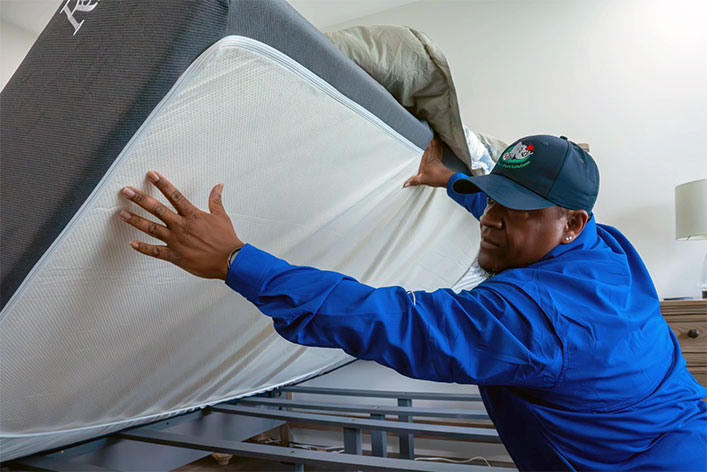
If there’s any bed bug activity in your home or business, the first and obvious place to inspect are the beds. Thoroughly inspect the:
- Bedding (blankets, sheets, duvets, pillow covers, etc.)
- Mattresses
- Box springs
- Bed Frames
- Surrounding areas around the beg, particularly any rugs or carpet.
In addition, check baseboards and any upholstered or fabric-covered furniture, such as couches or loveseats. Where it is relevant to your particular home, be sure to spend extra time inspecting the bedroom environments for potentially higher-risk people and scenarios:
- Recent travelers or Airbnb renters
- Guest bedrooms or dens
- College students who are returning home
- Etc.
The overall key here is that early detection is critical, before any bed bug populations can increase their numbers and begin to spread further. If you’re ever in doubt, consult an expert company. You can always schedule a professional bed bug inspection through Nozzle Nolen’s bed bug control services.
Tip #2: Stay On Top of Winter Travel (and Guests)
As mentioned earlier, bed bugs will take up semi-permanent residence on or within a bed, but they have also evolved to spread via travel by latching onto humans and fabrics. Winter and the holidays can involve travel for many families, so this is a time of year to be particularly diligent. T If and when members of your family are traveling during the winter, be sure to:
- Inspect any hotel rooms or shared residential spaces they might be staying in.
- Keep luggage off of the bed, zipped close, and elevated off of the ground.
- When returning home, immediately wash all clothing and dry it on the highest heat settings.
Don’t believe the misconception that only dirty or unhygienic hotels or resorts can get bed bugs. Even the highest-end accommodations may face bed bug issues and bed bugs don’t ask for income statements. They’re very much an equal opportunity parasite, so don’t make assumptions about their presence or lack thereof. For Florida residents in particular, you can reference the Florida Department of Health bed bugs resources (including printable PDF versions!) here.
Tip #3: How To Treat Bed Bugs: DIY or Professional Solutions
If you confirm the presence of bed bugs within your home or business, you could attempt a DIY approach for bed bug removal or extermination, but it’s not generally recommended.
We can certainly tell you what WON’T work, which includes things like foggers or sprays. These products are heavily marketed online, but they don’t reach or penetrate every possible surface they’d need to in order to provide proper peace of mind. Remember, even a single remaining bed bug or two can quickly grow its population back in larger numbers. All it takes is one traveler for them to take up residence elsewhere. Foggers and sprays aren’t thorough enough and will only give you a false sense of security.
The same holds true for almost all of the most common home remedies, like rubbing alcohol, talcum powder, essential oils, or baking soda. The more likely scenario is they just make a mess or cause stains or in the case of rubbing alcohol, can become a fire hazard! Ditch the home remedies and the foggers if you’re facing bed bug infestation. The only consistent, tried-and-true approaches will usually involve heating (or cooling) the temperature of the room/building to levels that will kill the bugs and their eggs OR through sealed fumigation methods that reach spots foggers will not.
A truly professional bed bug treatment will start with a thorough inspection from a trained technician, comprehensive heat or chemical-based treatments, mattress encasements, follow-up visits, and preventive education to homeowners, business owners, and staff.
Tip #4: Be Aware of Risk Areas Outside Homes (Particularly Certain Business Owners!)
So far, we’ve focused primarily on residential homes and how bed bugs can get inside them, but there are also common commercial facilities and shared civic resources that can also pose risks. Remember, bed bugs travel between locations and its shared resources or spaces where these exchanges are typically made. As long as there are people and maybe some usage of fabrics, bed bugs don’t really care if it’s a true home or not. Common vectors for bed bug transmission outside the home can include:
- Schools
- Daycare and after-school centers
- Public transportation
- Civic or office buildings
- Health facilities
- Gyms
- Etc.
If you’re a stakeholder in a business or civic organization where people congregate and share common spaces and/or resources, you should know that while your buildings and facilities may not face the same risk levels for bed bugs as homes or hotels, they’re not completely immune to them either.
Infestations and breakouts of bed bug populations can expose stakeholders to reputational risk at the minimum, and potentially even legal liabilities. For Florida businesses in particular, you can click here for an overview and breakdown of Florida’s 2025 Negligence Rules for Bed Bugs. Or, for those in education, here are some tips for dealing with bed bugs in schools and care centers that come from the University of Florida. For broader information on all 50 states, you can review this PDF document from the EPA on the nationwide laws around bed bugs.
Don’t get caught off-guard from a lack of due diligence simply because your type of civic or business facility doesn’t typically see bed bugs compared to others. If you’re looking for a reliable partner, you can always count on Nozzle Nolen’s comprehensive commercial pest control services to stay on top of compliance and better manage risk.
Tip #5: Proactive Prevention Is the Best Kind of Bed Bug Control
Whether a homeowner, frequent traveler, or a stakeholder in a commercial or civic facility, the best advice we can give you regarding bed bugs is that prevention is the best form of pest control.
Winter is both a time to be mindful of heightened risk scenarios, but also to start planning for a year-round strategy. It’s a good time to conduct or schedule inspections, as well as disseminate preventive education to family members and/or staff. Preventive measures, coupled with fast action and well-trained support, can make a world of difference in combatting these particularly pesky pests.
If you suspect any bed bug activity or simply want to enjoy the peace of mind that comes from a thorough inspection, get in contact with Nozzle Nolen today.